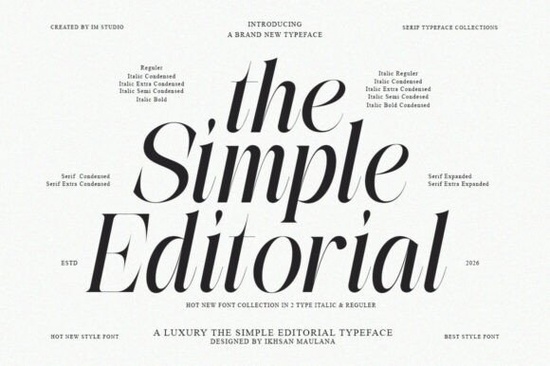
If you're looking for a serif font that works as well on a luxury candle label as it does in a boutique magazine layout, The Simple Editorial Font is worth your attention. It’s not trying to be everything at once instead, it balances quiet confidence and subtle character. Think of it as the kind of typeface you’d find in a well-edited coffee-table book or a thoughtfully designed stationery set: grounded, legible, and quietly expressive.
What makes this serif feel both timeless and current?
Unlike fonts that lean too hard into nostalgia (or too far into minimalism), The Simple Editorial Font draws from mid-century print culture think vintage signage, 1950s editorial spreads, and classic book typography but avoids caricature. The letterforms have gentle contrast, open apertures, and just enough warmth to keep them approachable at small sizes. At larger scales, the bolder weights hold presence without shouting. It’s the kind of serif that doesn’t need extra styling to feel intentional.
How many styles are included and why that matters
You get 15 total styles: 9 weights (from Hairline to Black) with matching italics. That’s rare for a single serif family especially one priced accessibly. Most designers don’t need all 15 at once, but having them means you can move smoothly from body text in Light Italic to a headline in Bold without switching families. And because each weight was drawn by hand not algorithmically scaled spacing, rhythm, and proportion stay consistent across the range.
The inclusion of refined ligatures also helps. They’re subtle (no flashy swashes), but they improve readability in longer text blocks and add polish to logotypes or short quotes. You’ll notice them most in combinations like “fi”, “fl”, or “ff”, where the letters flow together naturally instead of bumping.
Where does it work best?
This isn’t a “one-size-fits-all” font but it is a strong fit for specific real-world uses:
- Print-on-demand sellers who design greeting cards, art prints, or apparel with an editorial or heritage-leaning vibe;
- Small business owners launching a new brand especially those in wellness, publishing, ceramics, or slow-living niches;
- Designers building editorial systems, whether for digital newsletters, zines, or client magazines;
- Crafters making custom wedding invitations or handmade packaging where typographic detail signals care.
It pairs cleanly with neutral sans-serifs like Inter or Work Sans but also holds its own next to more distinctive serifs like Gibs Font or Sharp History Font. If you’ve used Sweetberry Serif before, you’ll recognize a similar attention to texture and rhythm though The Simple Editorial Font leans more structured and less decorative.
How does it compare to other serif bundles?
Compared to broad collections like the Modern Serif Bundle, this is a focused tool not a grab bag. You won’t find display-only scripts or ultra-thin novelty weights here. Instead, you get a cohesive system built for actual use: body copy that breathes, headlines that anchor, and italics that behave predictably. That focus makes it easier to learn, faster to implement, and more likely to deliver consistent results especially if you’re juggling multiple projects or working solo.
For reference, you can see how The Simple Editorial Font fits alongside other well-drawn serifs on Creative Fabrica. It’s part of a growing group of typefaces made with craft-first intent not just visual appeal.
A practical tip before you download
Try it in two places first: a short product description (at Regular or Medium weight, 14–16pt), and a single-line headline (Bold or ExtraBold, 36–48pt). See how the spacing feels, whether the x-height suits your audience, and if the italic has enough distinction for emphasis without feeling disruptive. If both test cases feel natural not forced or overly stylized it’s likely a good match for your workflow.
Before licensing:
- Check that your software supports OpenType features (ligatures, stylistic sets); most modern design apps do;
- Preview the full character set especially if you need extended language support;
- Test print a sample at actual size screen rendering can hide subtle spacing quirks;
- Compare it side-by-side with fonts you already own, like The Simple Editorial Font itself (yes revisit the page after testing, to see updated samples or user uploads).
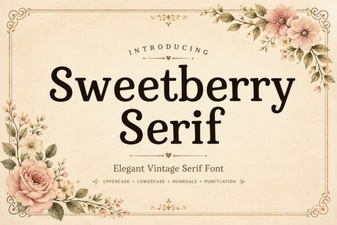 Sweetberry Serif Font: Elegant Typography for Designers
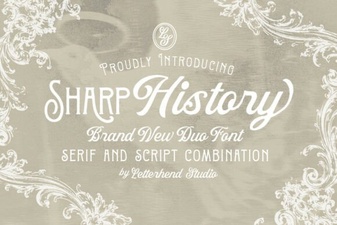 Sharp History Font: Design Tips & Creative Uses
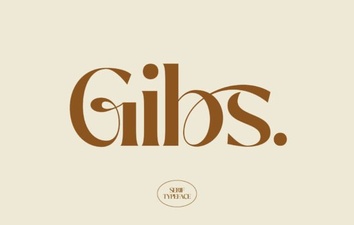 Gibs Font: Perfect for Modern Ui and Website Design
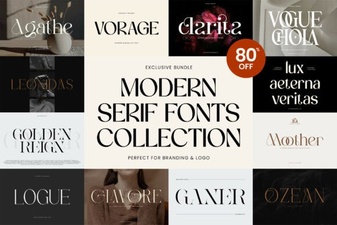 Modern Serif Font Bundle for Designers & Creators
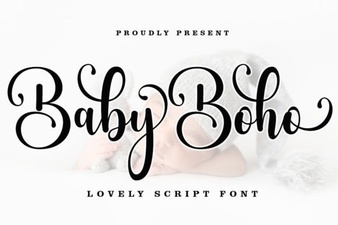 Boho Baby Fonts for Modern Nursery Projects
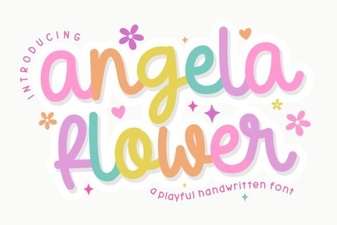 Angela Flower Font Design and Creative Projects