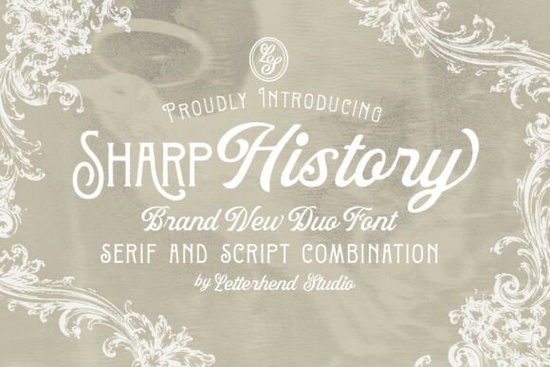
If you're looking for a vintage-inspired font that works equally well on wedding stationery, small-batch product labels, or hand-lettered greeting cards, Sharp History Font is a thoughtful choice. It’s not just one font it’s a carefully paired duo: a decorative serif with quiet ornamental details, and a smooth, natural-looking script. Neither feels overdone or overly formal, which makes it easy to use across real projects especially if you’re designing for print, digital downloads, or physical goods like mugs, tote bags, or candle packaging.
How does Sharp History actually work in practice?
The serif half of the pair has gentle serifs, subtle swashes, and balanced letter spacing think “classic book typography,” but friendlier and more approachable. It’s ideal for headings, titles, or short blocks of text where you want clarity and quiet elegance. The script, meanwhile, flows like handwriting but without the unevenness or unpredictability of true script fonts. It’s legible at smaller sizes, holds up well in vector exports, and pairs intuitively with its serif counterpart.
You’ll find designers using Sharp History Font for things like foil-stamped wedding invites, boutique coffee bag labels, minimalist editorial layouts, and even logo lockups where a soft contrast between structure and fluidity adds personality. Because both styles share the same x-height and rhythm, they don’t fight each other on the page even when layered or used side by side.
What kinds of projects suit this font best?
It shines in contexts where authenticity and warmth matter more than trendiness. That includes:
- Handmade or small-batch product packaging (soaps, candles, preserves)
- Wedding stationery suites especially for couples who love heirloom aesthetics but dislike overly ornate scripts
- Local business branding (bakeries, florists, bookshops, apothecaries)
- Digital printables like quote cards, journal covers, or planner inserts
- Editorial design for lifestyle blogs or zines with a tactile, analog feel
It’s not built for dense body copy or technical documents but then, it’s not meant to be. Its strength lies in intentionality: choosing the right tool for moments that deserve attention and care.
How does it compare to other serif fonts on Creative Fabrica?
Unlike bolder display serifs like Gibs Font, Sharp History keeps things refined rather than dramatic. It’s less structured than The Simple Editorial Font, which leans toward clean modernism, and more cohesive as a duo than standalone options like Sweetberry Serif Font. If you’ve used the Modern Serif Bundle, you’ll notice Sharp History sits somewhere between classic and contemporary less rigid than traditional Didone styles, but more grounded than airy handwritten fonts.
That balance makes it especially useful for creatives who juggle multiple roles say, a POD seller who also designs their own brand assets, or a crafter who makes both digital downloads and physical goods. You get versatility without sacrificing character.
What do users say about licensing and usability?
Like most Creative Fabrica fonts, Sharp History comes with a commercial license that covers unlimited personal and commercial use including selling physical products and digital files (like Canva templates or SVG cut files). No need to track impressions or renew yearly. You can install it on your computer, use it in design software (Illustrator, Photoshop, Affinity, Cricut Design Space), and export clean vectors or high-res PNGs without worrying about embedding restrictions.
One thing to keep in mind: while the script includes ligatures and alternate characters, it doesn’t have full language support beyond English, Western European, and basic punctuation. So if you’re designing for multilingual audiences, double-check glyph coverage before finalizing layouts.
Ready to try it out?
Here’s what to do next:
- Download the font and install both the serif and script files on your machine
- Open a blank document and type a sample phrase try pairing “Eleanor & James” (script) with “October 12, 2024” (serif)
- Test it at different sizes: 12 pt for fine print, 48 pt for a card headline, 120 pt for a poster title
- Export a test PDF or PNG and check how it renders on screen vs. printed proof
- If it feels right light but intentional, nostalgic but not dated you’ve found your match
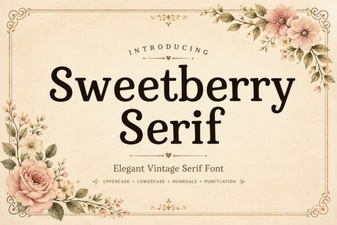 Sweetberry Serif Font: Elegant Typography for Designers
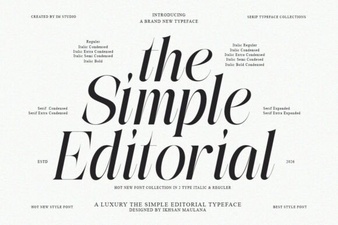 Elevate Designs with Simple Editorial Font Style
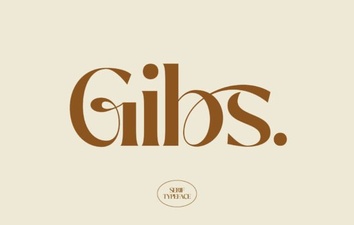 Gibs Font: Perfect for Modern Ui and Website Design
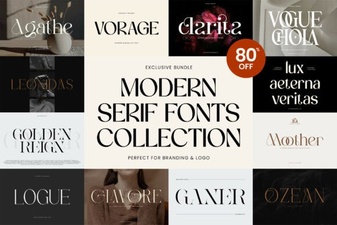 Modern Serif Font Bundle for Designers & Creators
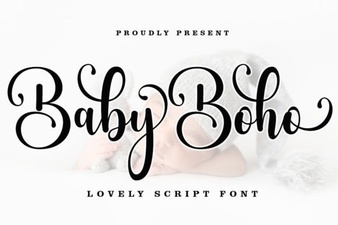 Boho Baby Fonts for Modern Nursery Projects
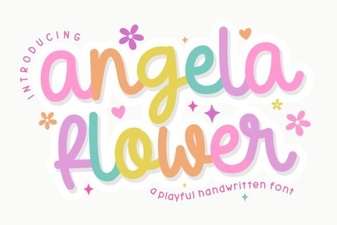 Angela Flower Font Design and Creative Projects